World Vision International Nepal – Integrated WASH, Health, Winterization and Education Program
Project Name: Integrated WASH, Health, Winterization and Education Program
Implemented by: Janahit Gramin Sewa Samittee (JGSS)
Supported by: World Vision International Nepal (WVIN)
Project Period: July 2015 to March 2018
Covered Areas: Earthquake-affected communities of Sindhupalchok District
Total Budget: NPR 168,375,974
Major Interventions and Achievements:
- WASH and Water Supply
- Constructed 26 water supply schemes to improve access to safe and reliable drinking water.
- Constructed 1,020 household toilets to improve sanitation and reduce health risks.
- Constructed 20 school toilets to promote safe, child-friendly, and hygienic learning environments.
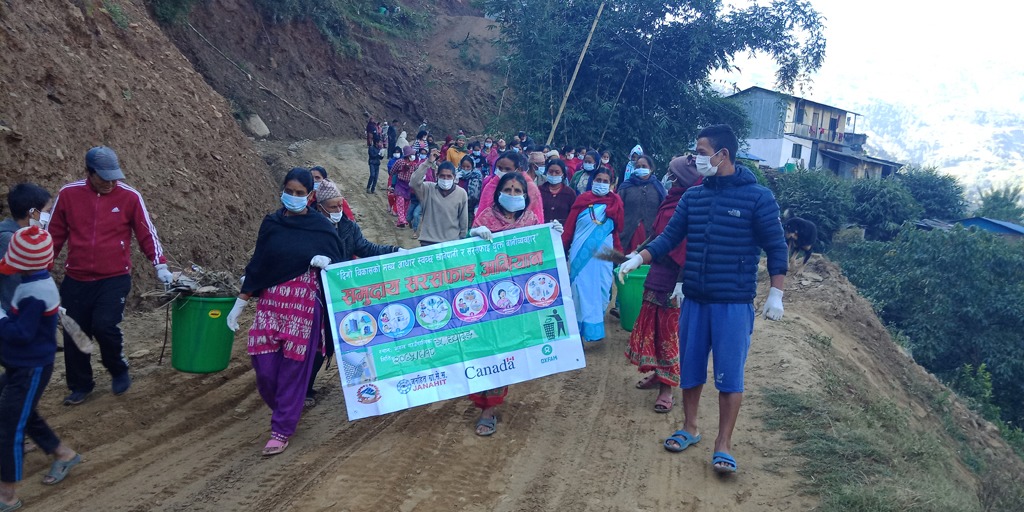
- Reached approximately 2,000 people through 45 hygiene promotion sessions.
- Integrated Disaster Risk Reduction (DRR) messages and low-cost water treatment techniques into hygiene promotion activities.
- Mobilized communities to improve household and community-level hygiene, sanitation, and water safety practices.
- Health and Maternal and Child Health
- Constructed 4 health posts to improve access to basic health services in earthquake-affected communities.
- Constructed 6 Women, Adolescent and Young Child Spaces (WAYCS) to provide safe and supportive spaces for women, adolescents, and young children.
- Conducted 282 sessions over 100 days for mothers, focusing on maternal, child health, nutrition, and related care practices.
- Distributed 500 prenatal and postnatal kits to support pregnant and postpartum women.
- Strengthened community awareness and access to essential maternal and child health services.
- Winterization and Humanitarian Support
- Provided winterization support to 1,200 households affected by the earthquake and vulnerable to harsh winter conditions.
- Supported vulnerable households with essential winter assistance to improve their safety, comfort, and resilience during the post-earthquake recovery period.
- Integrated humanitarian support with longer-term recovery and community resilience activities.
- Nutrition Support
- Implemented a nutrition pilot project in Haibung, Sindhupalchok, focusing on improving nutrition awareness and practices among vulnerable communities.
- Promoted improved maternal, infant, and young child nutrition practices through community-based awareness and support.
- Education and School Infrastructure
- Renovated the Ananda Secondary School building in Jalbire, Balephi Rural Municipality, improving the physical learning environment for students.
- Supported the rehabilitation of school infrastructure damaged or affected by the earthquake.
- Promoted safer and more conducive learning environments through improved school facilities.
- Youth and Community Mobilization
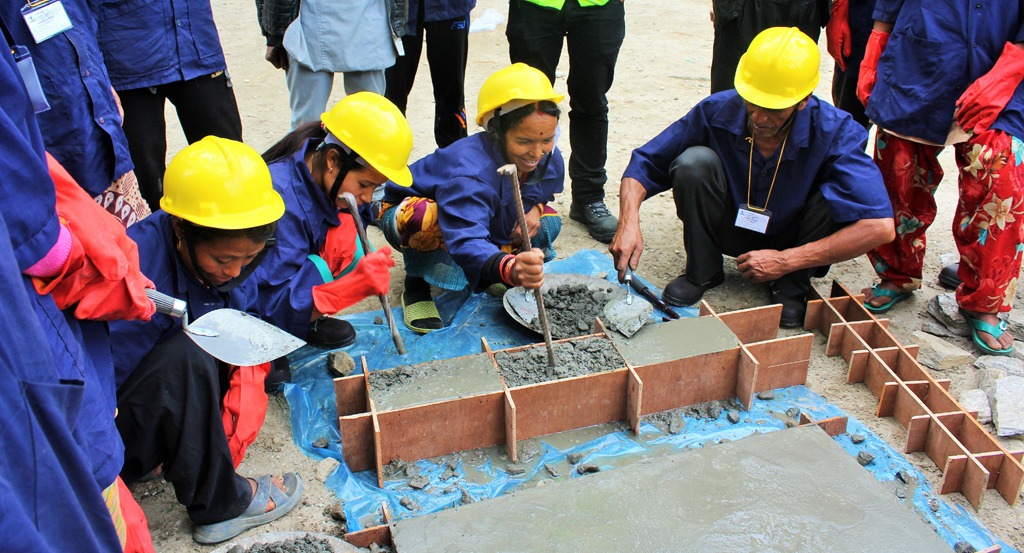
- Mobilized youth, women, community groups, health workers, teachers, and local stakeholders in WASH, health, education, DRR, hygiene promotion, and recovery activities.
- Encouraged youth and community members to participate as local volunteers and change agents.
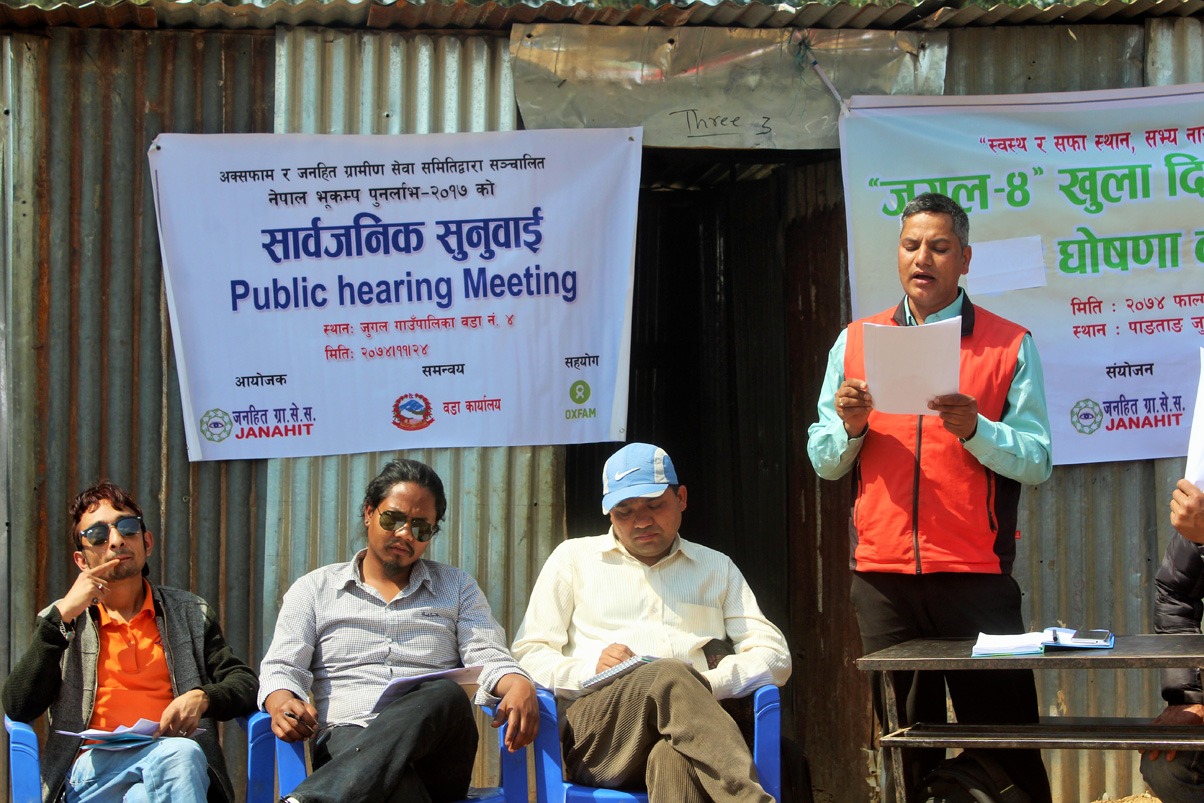
- Promoted community ownership and participation in the planning, implementation, and sustainability of development and recovery interventions.
- Disaster Risk Reduction and Resilience
- Integrated DRR awareness and preparedness into WASH and hygiene promotion activities.
- Promoted low-cost water treatment and safe water practices to reduce health risks during disasters and emergencies.
- Strengthened community awareness and preparedness for future disasters through locally appropriate risk-reduction measures.
Key Achievements:
- 26 water supply schemes constructed.
- 1,020 household toilets constructed.
- 20 school toilets constructed.
- Approximately 2,000 people reached through 45 hygiene promotion sessions.
- 4 health posts constructed.
- 6 WAYCS constructed.
- 282 maternal and child health sessions conducted over 100 days.
- 500 prenatal and postnatal kits distributed.
- 1,200 households received winterization support.
- Nutrition pilot project implemented in Haibung.
- Ananda Secondary School, Jalbire renovated.
Key Focus:
The integrated World Vision International Nepal partnership focused on WASH, health, maternal and child health, nutrition, winterization, education, disaster risk reduction, youth mobilization, and community resilience. The interventions combined emergency response with longer-term recovery and development support, helping earthquake-affected communities restore essential services, improve living conditions, and strengthen their capacity to withstand future disasters.