Water, Sanitation and Hygiene (WASH) Program – Safa Pani
Project Name: Water, Sanitation and Hygiene (WASH) Program – Safa Pani Social Mobilization
Implemented by: Janahit Gramin Sewa Samittee (JGSS)
Supported by: SEBAC Nepal/USAID
Project Period: February 2017 to November 2019
Covered Areas: Earthquake-affected communities of Sindhupalchok District
Total Budget: NPR 17,693,124
Project Overview:
The Safa Pani Program focused on strengthening safe drinking-water systems, improving water quality and hygiene practices, and building the capacity of Water Users and Sanitation Committees (WUSCs) and communities. The program adopted a lifecycle approach to water supply system development, providing capacity-building support before, during, and after construction. It also promoted Water Safety Plans to help communities identify risks and maintain safe drinking water from source to household.
Major Interventions and Achievements:
- Water Supply System Capacity Building
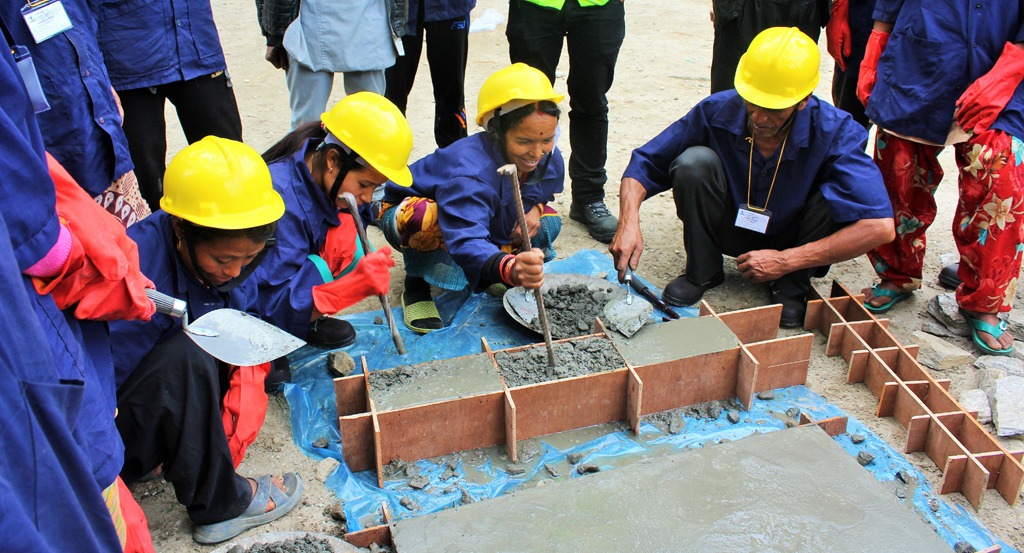
- Conducted pre-construction training for 100 Water Supply Schemes (WSS) to prepare Water Users and Sanitation Committees and communities for effective participation in planning and implementation.
- Conducted during-construction training for 100 WSS, focusing on construction processes, community participation, quality control, operation, maintenance, and management.
- Completed post-construction training for 90 Drinking Water Supply Schemes (DWSS) to strengthen long-term operation and maintenance capacity.
- Supported communities and WUSCs to take greater ownership of water supply systems and ensure their sustainability.
- Water Safety Planning
- Prepared 90 Water Safety Plans (WSPs) for 90 water supply schemes.
- Supported communities to identify potential risks and hazards affecting drinking-water quality and develop appropriate control and preventive measures.
- Strengthened community capacity to monitor and maintain water safety from the water source through the supply system to the point of consumption.
- Promoted Water Safety Planning as an important mechanism for sustaining safe and reliable drinking-water services, consistent with Nepal’s national WASH approach.
- Technical Support to Water Supply Schemes
- Provided technical support to 20 drinking-water supply schemes.
- Supported communities and Water Users and Sanitation Committees in technical planning, implementation, monitoring, and management of water supply systems.
- Strengthened the capacity of local actors to manage water supply infrastructure and address technical and operational challenges.
- Promoted community ownership and accountability for the sustainable operation and maintenance of water supply systems.
- Hygiene Promotion and Behaviour Change
- Reached 14,310 people through hygiene promotion and awareness activities.
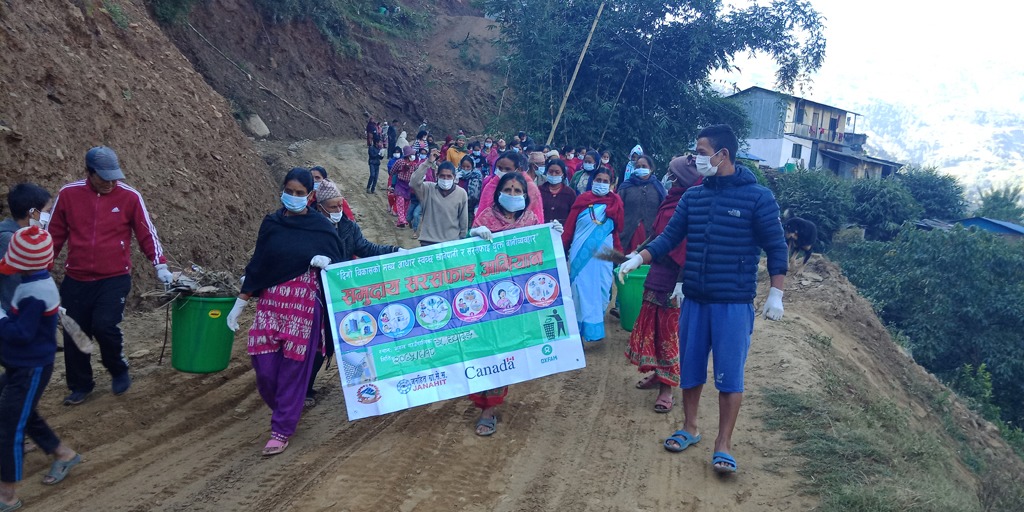
- Conducted community-level sensitization on personal hygiene, handwashing, safe drinking-water handling, sanitation, and prevention of waterborne diseases.
- Promoted improved hygiene practices at household and community levels.
- Encouraged communities to translate WASH awareness into practical and sustainable behaviour change.
- Community Mobilization and Participation
- Mobilized Water Users and Sanitation Committees, community groups, households, and local stakeholders throughout the water supply project cycle.
- Promoted meaningful community participation in planning, construction, monitoring, operation, and maintenance of water supply schemes.
- Strengthened local capacity and ownership to support the sustainability of WASH facilities.
- Encouraged inclusive participation of women, disadvantaged households, and community members in WASH decision-making and management.
- Youth Mobilization and Engagement
- Mobilized local youth in hygiene promotion, community awareness, social mobilization, and WASH-related activities.
- Encouraged youth participation as community volunteers and local change agents to promote safe hygiene and sanitation practices.
- Supported youth engagement in community-level awareness and resilience-building initiatives.
Key Achievements:
- 100 WSS: Pre-construction training completed.
- 100 WSS: During-construction training completed.
- 90 DWSS: Post-construction training completed.
- 90 Water Safety Plans: Prepared for drinking-water supply schemes.
- 20 drinking-water supply schemes: Provided with technical support.
- 14,310 people: Sensitized through hygiene promotion activities.
Key Focus:
The project focused on safe and sustainable drinking-water services, Water Safety Planning, WASH capacity building, hygiene promotion, community participation, technical support, operation and maintenance, youth mobilization, and strengthening the resilience of earthquake-affected communities. The approach was aligned with Nepal’s broader WASH sector emphasis on safe drinking water, community capacity building, and systematic water safety management.